
Wind, rain and zero-G: Kick Fall weather mechanics decoded
Atmospheric events change launch math: crosswind drift, slick surfaces in rain, and gravity anomalies that float or slam the ball. Here is how to read each one.
Weather events in Kick Fall are modifiers, not decoration. Each one rewrites at least one variable in the physics model, and the players who score through them treat the forecast as part of the loadout decision.
Crosswind drift
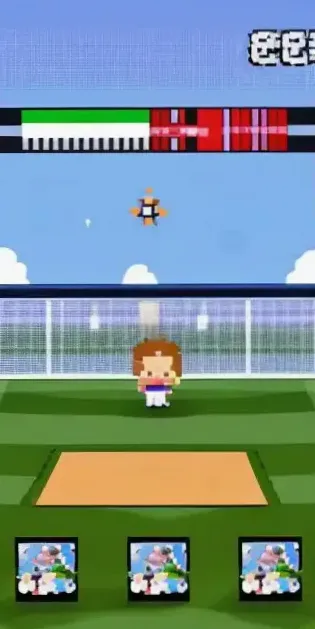
Wind applies a constant sideways force during airtime. The strength is telegraphed on the launch pad by the flag indicator and the direction arrows on the horizon. Drift scales with airtime, so long floaty lines drift far more than fast steep ones.
Aim upwind. On moderate wind a 15 to 20 degree compensation lands the ball back on the planned line. On storm-tier wind, abandon floaty routes entirely and take the vertical drop.
Rain and slick surfaces
Rain drops the friction of wood and stone surfaces, which changes resting behaviour. The ball keeps sliding where it would normally settle, which is a gift for chain preservation: a slow slide on a wet beam keeps the one-second decay timer alive.
The trade-off is control. Bounced trajectories off wet surfaces scatter wider, so deliberate ricochets need shallower angles than the dry-map habit suggests.
Zero-G and gravity anomalies
Gravity events are the headline modifier. Low-G stretches every arc and lets light balls reach normally unreachable ledges. High-G compresses arcs and rewards max-charge kicks that would overshoot in normal gravity.
- Low-G: switch to the light ball, take ledge routes, collect airtime bonuses.
- High-G: heavy or standard ball, steep lines, cash out fast.
- Moon events sit between the two and are the best place to practise anomaly reads.
Lightning rounds
Brief windows where metal surfaces pay double chain weight for about ten seconds. Lightning rewards patience: hold the kick until the flash warning, then send the ball through the metal-dense zone while the bonus is live.
Wind does not change where you aim. It changes how far off target you can afford to be.
Key takeaways
- Read the flag indicator before every anomalous launch.
- Compensate 15-20 degrees upwind on moderate wind.
- Wet surfaces slide; use the slide to keep chains alive.
- Low-G favours light balls and ledge routes; high-G favours heavy.
- Hold kicks for lightning windows on metal-dense maps.
Keep going
The physics workshops spend a full segment on anomaly play, and the gallery has annotated storm runs worth studying.
FAQ
Play the forecast
Next time a storm event rolls in, load the right ball and let the drift work for you.